
Jul
Quick answer: a full body tracking setup for apartment VR rooms should prioritize a clear standing zone, safe foot movement, seated checks, quiet setup habits, storage, cable control, and a realistic movement style that fits the room before you buy or calibrate.
Apartment VR rooms are often smaller, busier, and closer to neighbors than ideal demo spaces. That does not mean full body tracking is impossible. It means the setup has to be honest. You need to know where you can stand, how far you can step, where furniture sits, and how the kit will be stored between sessions.
This guide is for VRChat players, social VR fans, creators, and gift buyers working with bedrooms, desk corners, studio apartments, or shared living rooms. The goal is a repeatable routine that fits the space you actually have.
Measure The Usable Zone, Not The Whole Room
The room size on paper is not the same as the VR area. Beds, desks, chairs, shelves, rugs, cables, and doors reduce usable space. Stand where you would actually play and test small steps, turns, and seated transitions. That is your real setup area.
If the usable zone is small, plan for controlled movement. Full body tracking can still support posture, foot cues, seated social presence, and small avatar expression. It does not have to become a wide dance routine to be valuable.
Choose Movement That Fits Apartment Life
Apartment setups have practical limits: neighbors, floor noise, furniture, and shared spaces. Choose movement that respects those limits. Slow turns, weight shifts, seated transitions, and small steps may be more realistic than jumping or large footwork.
If you create clips or stream, design the content around the room instead of fighting it. A clean small-space routine can look intentional. A movement that nearly hits furniture will make the creator look cautious and distracted.
Noise matters too. Even when the room is physically safe, repeated steps can bother people nearby or downstairs. Test quiet movement options before a late session. A soft reset stance, controlled foot lifts, and seated body language can still make the avatar feel present without turning the room into a loud workout space.
Test Waist And Foot Placement In The Room
Apartment furniture changes body placement. A chair may press against the waist point. A rug can affect foot comfort. A desk can make you lean differently. Test the body points in the room before deciding the setup is ready.
Fit the waist or hip point, fit the feet, sit, stand, turn, and step inside the actual zone. If the tracker shifts when you sit in your real chair, solve that before calibration. If foot placement changes on a rug or slipper, test the footwear you will use most often.
Plan Storage Before Buying
Small rooms punish clutter. A full body tracking routine needs a place for trackers, straps, cables, and any small accessories. If the pieces scatter, the next session becomes slower and more frustrating.
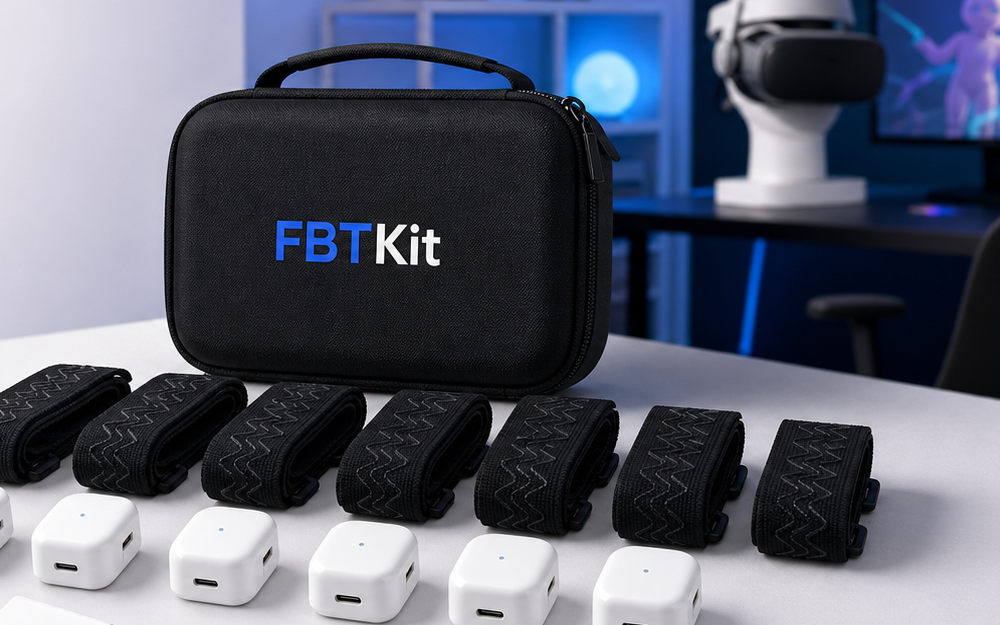
Before buying, decide where the kit will live. A shelf, tray, drawer, or desk corner can work if it keeps items together and easy to charge. The current FBTKit Core Full Body Tracking Kit page is the place to check product details while you plan that storage routine.
Storage should also protect the apartment from daily mess. If the kit blocks a walkway or takes over the desk, you may start avoiding it. The better plan is a small, repeatable station that can be opened for VR and closed when the room returns to normal life.
Use Policies And Support Before Guessing
If you are unsure whether the kit fits your apartment routine, ask a specific question through the contact page. Include your app, headset path, room type, intended movement, and whether you sit or stand most often.
For timing, check the shipping policy. For purchase comfort, check the refund and returns policy. The FBTKit homepage can help you confirm the site focus before moving into product details.
Build A Small-Room Setup Routine
A good apartment routine is simple. Clear the floor. Move the chair if needed. Check cables. Put on body points. Test standing, turning, seated posture, and small steps. Calibrate after the physical fit survives the room. Start with controlled social VR before attempting more active creator movement.
After the session, reset the room. Put the kit back, charge what needs charging, and move furniture back safely. The room has to become livable again. A setup that respects daily life will be used more often than one that turns the apartment into a permanent obstacle course.
Plan Your Apartment Setup Around FBTKit
Review the current FBTKit product page before building a full body tracking routine for a small VR room or apartment setup.
FAQ
Can full body tracking work in an apartment VR room?
It can work when the movement style fits the usable space and the user plans floor safety, seating, storage, and body placement carefully.
How much room do I need?
Focus on usable room, not total room size. Test the standing zone, turns, small steps, chair position, and safe reset area before deciding.
What movement is best for small rooms?
Controlled steps, slow turns, weight shifts, seated transitions, and posture cues often fit apartment spaces better than large or noisy movement.
Should I test seated placement?
Yes. Apartment users often sit near desks or chairs, so waist or hip placement should be checked while seated and standing.
What should I ask before buying for an apartment?
Ask about your app, headset route, room size, movement goals, sitting habits, storage plan, shipping timing, and return comfort.
