
Blog
Full Body Tracking Starter Kit vs Advanced Setup
Jul
Quick answer: choose a full body tracking starter kit when you want a manageable first routine for waist and foot movement, repeatable strap checks, and fewer setup variables. Consider an advanced setup only when you already know your headset path, app workflow, body-point goals, charging habits, and tolerance for extra calibration work.
The difference between a starter kit and an advanced full body tracking setup is not only the number of items on the table. It is the number of decisions you must get right before a session feels natural. New buyers often imagine that more tracked points automatically means better VRChat presence, better dance clips, or better avatar testing. Sometimes it does. Sometimes it creates more straps to adjust, more body points to remember, and more places for a small fit issue to appear.
This guide gives you a practical decision rule. It does not assume one universal setup is best. It helps you decide whether a focused path is enough for your current use, or whether you are truly ready for a more advanced routine.
Start With The Session You Actually Want
A starter kit makes the most sense when your goal is easy to name: more believable lower-body presence, cleaner standing posture, better foot cues, or a calmer way to enter social VR. If your normal sessions are VRChat hangouts, casual creator clips, avatar checks, or light movement, a focused setup can be more useful than a complicated layout you rarely wear correctly.
An advanced setup makes more sense when the movement itself is demanding. Dance performances, frequent full-body recording, detailed avatar testing, or experimental tracking layouts may justify more points and a more careful routine. The question is not whether advanced gear is impressive. The question is whether you will prepare it, charge it, fit it, and troubleshoot it often enough to benefit from it.
Starter Kits Reduce Setup Friction
The strongest case for a starter kit is repeatability. You learn where the waist point belongs, how foot trackers behave with your clothing or footwear, and what a normal calibration pass feels like. That learning matters because full body tracking is a wearable routine, not only a product purchase.
With fewer body points, you can notice the basics faster. Did the waist tracker rotate when you sat? Did a foot strap move during a turn? Did your room allow the movement you planned? These are easier to diagnose when you are not also managing extra placements, extra charging status, and extra software checks.
Advanced Setups Reward Experienced Habits
An advanced setup can be worth it when you already have consistent habits. You know where the kit lives between sessions. You know which clothing works with straps. You know how your room affects stepping, sitting, turning, or crouching. You can tell the difference between a physical strap problem and a calibration problem.
Without those habits, more points can make troubleshooting blurry. If the avatar looks wrong, is the issue waist placement, hip placement, a foot strap, a room limit, an app setting, or a rushed setup order? Advanced layouts are not bad; they simply ask for more discipline. If you enjoy that, they can be satisfying. If you mainly want to join friends quickly, a focused kit may get used more often.
Compare Waist, Hip, And Foot Demands Separately
The waist or hip point anchors the body center. It affects how the avatar reads leaning, turning, and seated posture. Foot points communicate stance, small steps, direction changes, and the feeling that the avatar is actually standing in the world. Those jobs are different, so they should not be judged by one generic “full body” label.
For a starter path, make sure you can explain why the waist and feet matter to your sessions. For an advanced path, make sure every additional point has a job. If you cannot name what the added point improves, it may become another thing to wear without giving you a clear benefit.
Use A Buyer Checklist Before You Upgrade
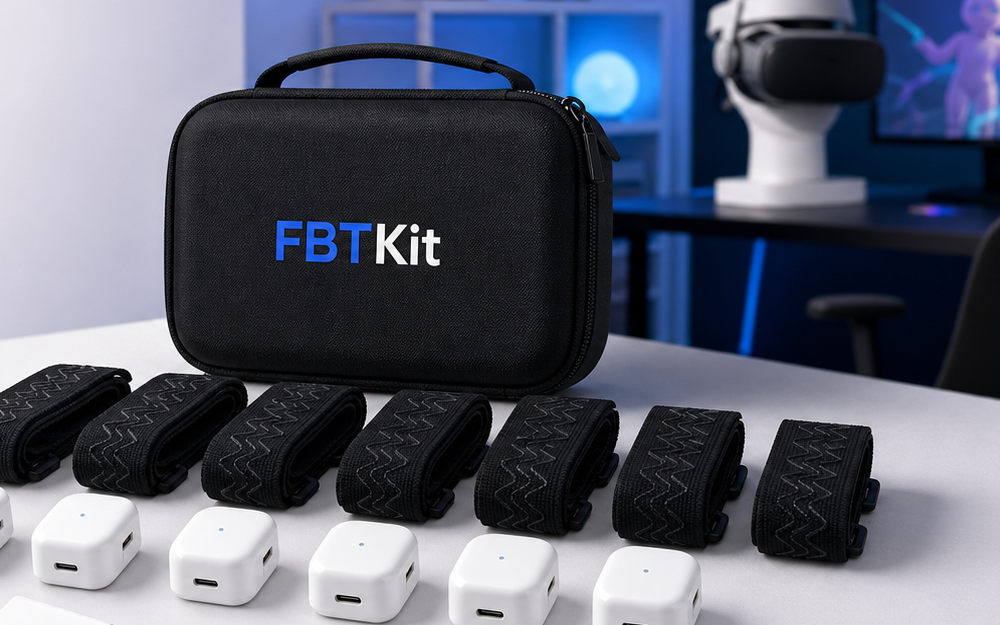
Before choosing advanced, run a short checklist. Do you already know your headset route and app workflow? Do you understand the current kit contents on the FBTKit Core Full Body Tracking Kit page? Do you have a charging habit? Can you set straps without rushing? Do you know whether you prefer waist or hip placement? Can you describe your movement style clearly enough to ask a support question?
If several answers are “not yet,” starter may be the smarter buy. If most answers are yes, advanced may be reasonable. You can also read the strap selection guide and the waist placement guide before deciding, because those details often reveal how much setup work you actually want.
When A Starter Kit Is The Better Choice
Choose a starter kit when you want a clear first routine, you are still learning body placement, or you care more about using full body tracking often than building the most detailed layout immediately. This is especially practical for social VR users who want more body language without turning every session into a technical project.
A starter kit can also be better when your room is small, your session time is limited, or multiple people may share the setup. Fewer moving parts can make the kit easier to store, explain, and reset. In real life, the setup you use three nights a week beats the setup that looks perfect but stays in a drawer.
When Advanced Setup Is Worth Considering
Consider advanced when your use case is specific and demanding. If you record movement-heavy clips, perform in social VR events, test avatars for clients, or already notice exactly what your current layout cannot express, you may have a real reason to add complexity. The reason should be concrete, not just the feeling that more must be better.
Advanced also needs a stronger support and policy check. Review current product details, shipping, and returns before paying. If something is unclear, use the contact page with your headset path, app, body-point goal, and movement style. Specific questions are easier to answer than broad requests for the “best” setup.
Check The Current FBTKit Setup
Compare the current kit details, included items, and checkout information before deciding between a starter path and a more advanced full body tracking routine.
FAQ
Is a full body tracking starter kit enough for VRChat?
It can be enough when your main goal is better waist and foot expression for social presence, casual movement, or avatar checks. Confirm the current kit details and your app workflow before buying.
When should I choose an advanced setup?
Choose advanced when you have a clear movement need, a stable setup routine, and a reason for each additional body point. Do not upgrade only because the larger layout looks more complete.
Why does starter setup often feel easier?
There are fewer straps, fewer placements, fewer charging checks, and fewer troubleshooting paths. That makes it easier to build a repeatable routine before adding complexity.
Should I decide by tracker count alone?
No. Compare body-point goals, placement comfort, room size, session type, support, current kit contents, and how often you will actually use the setup.
What should I ask support before choosing?
Share your headset path, app, room style, intended body points, and whether you plan seated, standing, dancing, or creator sessions. Specific context leads to more useful guidance.
