
Blog
How to Make Full Body Tracking More Reliable Over Time
Jul
Quick answer: make full body tracking more reliable over time by keeping the routine consistent: same storage spot, same charging habit, same clothing checks, same strap order, same calibration posture, and short notes when something changes. Reliability usually comes from removing surprises, not from changing everything after one odd session.
Most tracking frustration is ordinary. A strap shifted. A battery was low. Clothing changed. The room was different. Calibration was rushed. When those small variables stack up, the setup feels unreliable even if the gear is doing what it can.
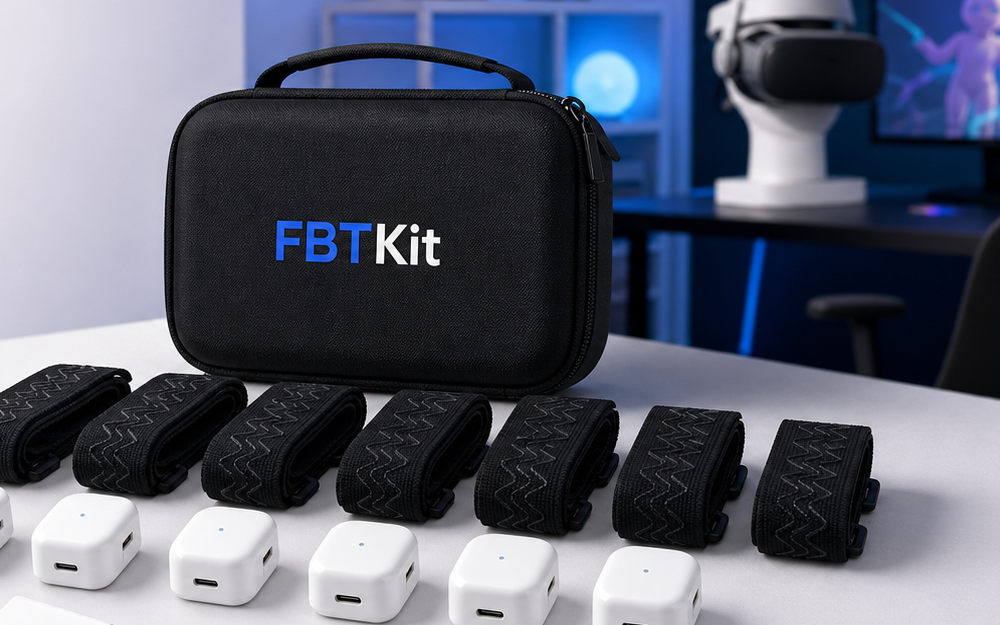
This guide is for users who already have a working routine but want fewer random bad sessions. For current product details, use the FBTKit Core Full Body Tracking Kit. For setup-specific questions, use the contact page with clear notes.
Keep The Start Routine The Same
Reliability begins before VR opens. Put gear on in the same order, use the same charging check, and calibrate from a posture you can repeat. When the routine is consistent, you can spot changes faster.
If tracking looks strange after a normal start, ask what changed. Different pants? New room layout? Longer session? Low charge? That question works only if yesterday’s routine was stable enough to compare.
Make the first five minutes boring on purpose. Count, wear, check, calibrate, test, then join. If you keep this sequence stable, you can spend more attention on the people and movement inside VR instead of wondering whether setup was the problem.
Control One Variable Per Session
When something feels off, do not change straps, clothing, calibration, room position, and app settings all at once. Change one thing, test, then continue. This is slower for five minutes and faster across a month.
A useful habit is to pick one improvement per session. Today, make charging smoother. Tomorrow, improve strap storage. Later, refine seated calibration. Reliability grows from small stable wins.
Make Clothing Repeatable
Clothing is one of the easiest variables to underestimate. A setup that works over fitted pants may drift over loose sweats. A waistband can change waist placement. Socks and shoes can affect foot stability.
Keep one reliable session outfit or clothing category for important nights. You do not need a uniform. You need fewer surprises. If you switch clothing, do a slightly longer warm-up before deciding the tracking itself is the problem.
For active sessions, test fabric after movement, not just while standing still. Step, sit, turn, and check whether straps remain aligned. Reliability over time often comes from catching this slow clothing drift before it becomes normal.
Use Notes Without Making A Project
You do not need a spreadsheet or a long log. Keep a short note in plain language: “black joggers worked,” “left foot strap slipped while dancing,” “seated calibration improved after chair moved back.” These notes stop you from repeating the same mistake.
Notes are especially helpful if you contact support. A clear symptom and what changed since the last good session is far easier to work with than a vague memory of several bad nights.
Build A Weekly Gear Reset
Once a week, do a quick reset. Count trackers, clean obvious strap lint, check the charging cable, confirm storage is not becoming a pile, and look for worn or twisted soft parts. This is not deep maintenance. It is ten minutes of prevention.
If order or policy questions appear during a reset, use the current refund and returns policy. If timing or delivery affects accessories, check the shipping policy.
Use the reset to remove friction, not to rebuild the whole setup. If the cable keeps moving, give it a dedicated spot. If straps keep twisting, change storage. Small physical fixes often improve reliability more than another round of software guessing.
Protect The Good Session
When tracking feels great, capture why. What clothing did you wear? What room position? How did you calibrate? How long was the warm-up? A good session is not just luck if you can repeat the conditions.
Over time, your routine becomes personal. A dancer, seated social user, and avatar creator will settle into different reliable habits. That is fine. The goal is not one universal method. The goal is fewer surprises for your actual use.
Do not change a good routine because another user has a more complex one. Borrow ideas carefully, but keep the habits that make your own sessions calm. Reliable gear is gear you can use often without dreading setup.
Reliability improves when the start of the session feels boring. Same clothing, same charging check, same strap order, and same quick movement test make unusual problems easier to spot.
If a setup suddenly becomes unreliable, compare it against the last good session. Same outfit, same room, same tracker order, and same avatar can reveal whether the issue is new or just newly noticed.
Build Reliability Around The Kit You Use
Review current FBTKit details, then make charging, placement, and calibration consistent enough to repeat your best sessions.
FAQ
How do I make full body tracking more reliable over time?
Keep storage, charging, clothing, strap order, calibration posture, and room checks consistent. Change one variable at a time when troubleshooting.
Why does tracking feel different on different days?
Small changes in clothing, battery level, room layout, strap placement, and calibration can make sessions feel different.
Should I write down my setup routine?
Yes, but keep it short. A few notes about what worked and what changed can prevent repeated mistakes.
How often should I inspect the gear?
A weekly quick reset is useful: count parts, check charging, inspect straps, clean lint, and return everything to the same storage spot.
When should I ask for help?
Ask when a repeated issue continues after charge, placement, clothing, room, and calibration checks. Include the exact symptom and what changed.
