
Blog
Three Point vs Six Point Full Body Tracking
Jul
Quick answer: three point and six point full body tracking should be judged by the movements you want your avatar to show. Three point language usually points to a simpler waist-and-feet style goal. Six point language points to richer lower-body and limb expression, with more pieces to wear and manage. The right choice is a movement decision first, not a scoreboard.
This page narrows the question to body-point tradeoffs. If you need a broader kit checklist, start with the tracker count guide. Here, the focus is what each level changes inside a real social VR session.
Compare The Movements, Not The Number
A larger number can sound automatically better, but the useful question is what the extra points help communicate. For casual VRChat hangouts, a stable waist and feet can already make sitting, leaning, and standing feel more readable. For dance, posing, and avatar performance, extra body information may make motion feel less stiff.
Think in verbs: stand, sit, lean, turn, step, crouch, kick, pose, and recover. If your favorite sessions use only a few of those verbs, a simpler setup may be enough. If your sessions depend on many of them, a richer setup deserves more attention.
Three Point Works Best For Readable Presence
A three point goal is attractive when the main problem is floating-hands presence. You want friends to read where your body is, whether you are seated, and how your stance changes during a conversation. The routine can be easier to repeat because there are fewer objects to charge, place, and troubleshoot.
That does not make it basic in a negative sense. For a user who joins social rooms after work, repeats the same setup, and wants lower friction, fewer points can be the reason the kit gets used more often.
Six Point Makes Sense For Performance Goals
Six point language usually matters when movement detail matters. Dancers may want knees and lower-body transitions to read more clearly. Avatar creators may want pose checks that show more than a basic stance. Streamers may want a clip where the body feels intentional from head to toe.
The tradeoff is routine. More points can mean more charging habits, strap positions, calibration checks, and fit adjustments. If you enjoy setup and want richer motion, that tradeoff can be acceptable. If you want instant entry into a quiet room, it may be too much.
Use A Session-Based Matrix
| Session type | Three point goal | Six point goal |
|---|---|---|
| Casual hangout | Readable stance and seated presence. | More nuanced body shifts if you like expressive posing. |
| Dance room | Basic hip and foot cues. | More detailed lower-body motion and transitions. |
| Avatar testing | Quick fit checks for common poses. | More complete pose and proportion review. |
| Streaming | Lower prep burden before going live. | More visible performance range if setup is reliable. |
Comfort Can Decide The Winner
The best movement map fails if you dislike wearing it. Extra points can add straps around more body areas, more adjustment during long sessions, and more places where clothing affects fit. A smaller setup that stays comfortable may beat a richer setup that you stop wearing.
Before choosing, imagine the full session length. Include standing time, sitting time, breaks, clothing, room temperature, and whether you share gear with another person. Comfort is not a soft detail. It is the difference between a setup that becomes normal and one that lives in a drawer.
Ask These Questions Before Choosing
- Do I mainly want presence, or do I need performance detail?
- Will I repeat the setup several times a week?
- Can I tolerate more charging and placement checks?
- Does my room support the movements I want?
- Does the current kit page clearly explain what is included?
Run A Small Movement Test
Before you commit to a body-point goal, list five movements you actually want to show. For example: seated lean, foot tap, standing turn, crouch, and dance step. Mark which movements are important every week and which are only occasional. This small test often makes the three point versus six point decision less abstract.
If most of your important movements are about basic stance and seating, a simpler path may satisfy the real need. If the list includes footwork, repeated turns, pose transitions, and creator clips, richer tracking becomes easier to justify. The point is not to predict every future hobby. The point is to buy for the movement you will repeat.
Run the same test for comfort. Put the body areas you expect to track into your normal session: standing, sitting, turning, and taking breaks. If an imagined setup already sounds annoying, that is a real signal. A tracking level that feels reasonable on ordinary nights will usually beat a more ambitious setup you avoid.
Finally, decide who the setup is for. A solo user can tune everything around one body and one room. A shared household may need faster adjustment, clearer storage, and simpler instructions. That can change which body-point level feels practical.
Compare The Core Kit
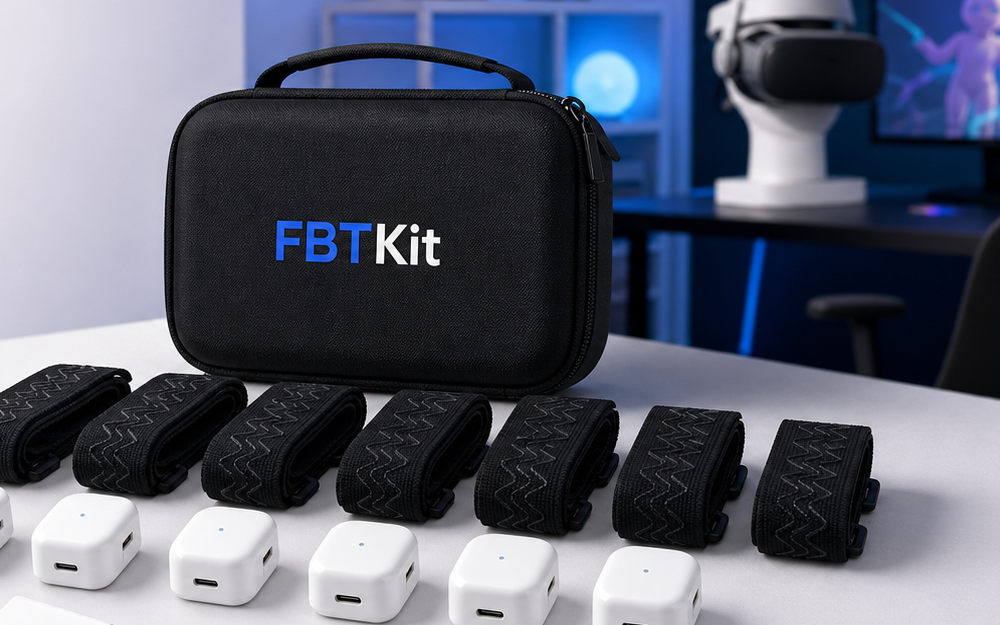
Review the current FBTKit product page to see whether the kit details fit the body-point routine you want to build.
FAQ
Is six point always better than three point?
No. Six point can show richer movement, but three point may be easier to wear, repeat, and maintain for casual social VR.
Which is better for VRChat hangouts?
Many hangout users care most about readable stance, sitting, and comfort. That can make a simpler setup attractive, depending on the current kit details.
Which is better for dancing?
Dancers may benefit from richer lower-body information, but only if straps, room space, calibration, and comfort can handle the movement.
Should I buy by tracker count alone?
No. Buy by movement goal, setup tolerance, comfort, compatibility, room, and current product details.
