
Blog
Full Body Tracking Upgrade Path After Your First Kit
Jul
Quick answer: plan a full body tracking upgrade path after your first kit by improving routine before adding complexity. First make charging, straps, calibration, room setup, and storage reliable. Then decide whether your next upgrade should support comfort, content creation, active movement, or more expressive body points.
The first kit teaches you what you actually value. Some users discover they care most about quick VRChat hangouts. Others start recording dance clips, avatar showcases, or character performances. The upgrade path should follow that real use, not the excitement of buying more gear immediately.
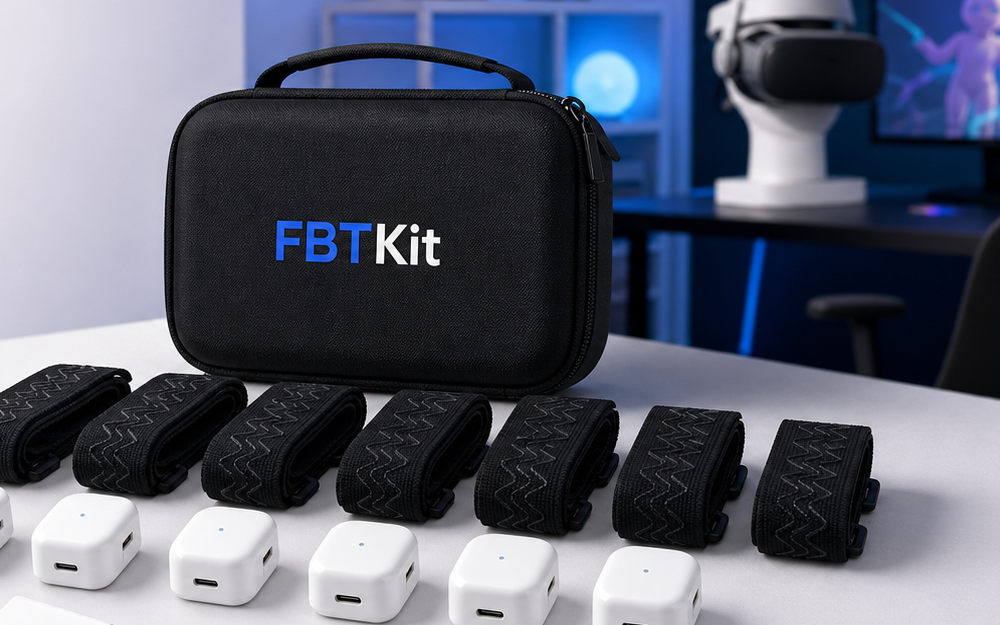
This guide helps you choose the next step calmly. For current product information, review the FBTKit Core Full Body Tracking Kit. Ask setup-specific questions through the contact page.
Let The First Month Teach You
Use the first month to observe, not rush. Which sessions do you repeat? What feels annoying? What feels exciting? Are you using the kit twice a week or once a month? Those answers matter more than feature comparisons.
If setup still feels difficult, your first upgrade may be a better routine, not more hardware. Storage, charging, clothing, and strap comfort can improve the experience before anything new is added.
Keep a light note after a few sessions. Write what you used the kit for and what slowed you down. Patterns show up quickly: maybe you need faster readiness, better comfort, clearer recording flow, or more expressive movement.
Fix Friction Before Expanding
Make a list of repeated friction: low charge, missing cable, straps sliding, room clutter, calibration stress, or long setup time. Fix those first. Adding more pieces to an unreliable routine usually makes the routine less inviting.
A stable base setup gives you a fair sense of what is missing. Without that stability, it is hard to know whether you need an upgrade or simply a cleaner habit.
Choose An Upgrade Direction
There are several kinds of upgrades. Comfort upgrades make longer sessions easier. Workflow upgrades make recording or travel smoother. Movement upgrades aim for more expressive body detail. Support and policy clarity reduce purchase uncertainty.
Name the direction before spending. “I want longer comfortable sessions” leads to different decisions than “I want cleaner dance clips.” A clear direction prevents scattered buying.
Limit yourself to one direction at a time. Trying to improve comfort, travel, recording, and movement detail all at once can make the next step confusing. Solve the highest-friction problem first.
Test With Real Sessions
Before committing to the next step, run a test session focused on the problem. If dance clips feel limited, record a short clip and note what is missing. If travel is hard, pack the kit and see what slows you down. If comfort is the issue, run a longer hangout and watch where fatigue starts.
The test should be ordinary. Do not judge your upgrade path from one unusually good or unusually bad night.
Repeat the test once if the first result feels unclear. Maybe the room was messy or you were tired. Upgrade decisions are better when they survive more than one mood.
Check Timing And Support
If your upgrade is for an event, content schedule, or planned trip, read the shipping policy for current timing details. If the question involves an existing order or part concern, review the refund and returns policy.
For setup questions, contact support with your current kit routine, target use, and what you want to improve. A precise message beats a broad “what should I buy next?” question.
Keep The Path Flexible
Your VR habits may change. A social user may become a dancer. A content creator may shift into avatar photography. A travel-heavy user may need better packing routines. Review the upgrade path every few months instead of locking yourself into a plan too early.
The right upgrade path should make you use the kit more, not make you feel guilty about not using a bigger setup.
It is also fine to pause. If the first kit already supports your favorite sessions, the next upgrade can wait. A stable routine used often is a success, even if it is not the largest possible setup.
Build the upgrade path around one bottleneck. If comfort is the problem, start with straps and placement. If reliability is the problem, focus on routine, charging, and calibration. If expression is the problem, test whether another tracker point or better avatar setup would actually help.
Do not upgrade because the first week felt awkward. New routines are often awkward before they are bad. Give yourself enough sessions to separate learning friction from a real equipment gap.
When the bottleneck repeats, write down the exact scene where it appears. “Feet slide during dance practice” is easier to solve than “tracking feels bad.”
A good upgrade path keeps the original kit useful. The first purchase should remain the base of the routine, not become a mistake you are trying to erase.
Upgrade From A Stable Routine
Review current FBTKit details, then choose the next step based on the sessions you actually repeat.
FAQ
When should I upgrade after my first kit?
Upgrade after your base routine is stable and you can name the exact problem or use case the next step should solve.
What should I fix before upgrading?
Fix charging, storage, strap comfort, clothing, room setup, and calibration habits before adding more complexity.
How do I choose an upgrade direction?
Decide whether you want better comfort, easier workflow, more expressive movement, travel readiness, or content quality.
Should I upgrade for one event?
Only if timing, setup, and routine are realistic. Check current shipping details and allow time for low-pressure testing.
What should I ask support?
Describe your current setup, repeated sessions, friction points, and the improvement you want. Specific context leads to better guidance.
