
Blog
How to Compare Full Body Tracking Kits Without Overbuying
Jul
Quick answer: compare full body tracking kits without overbuying by starting with your real sessions, not the longest feature list. Check compatibility, tracker count, straps, charging, setup patience, support, storage, and room fit. Buy for the routine you will repeat, not for the most impressive setup on paper.
Overbuying happens when a buyer compares gear before defining the job. Full body tracking can serve social VR, dance, avatar testing, pose practice, streaming, and casual hangouts. Those use cases do not all need the same amount of complexity.
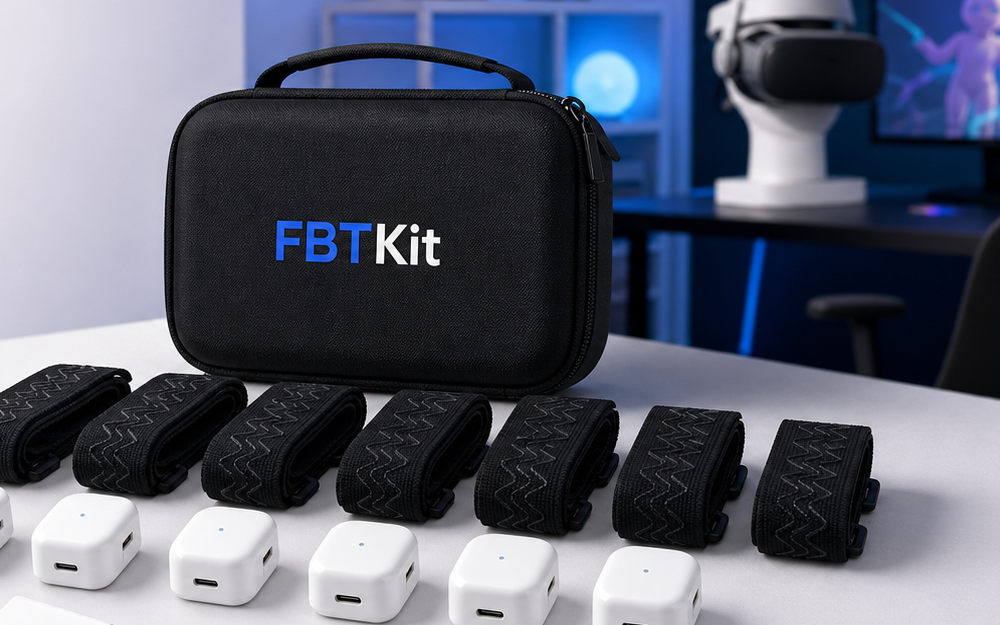
This guide is a decision filter. It does not rank every possible option. It helps you avoid paying for setup work you will not use. For current FBTKit details, review the Core Full Body Tracking Kit, then use the contact page with setup-specific questions.
Start With The Session You Repeat
Name your normal session. Is it a weekly VRChat hangout, group dance night, avatar showcase, seated social room, or recording workflow? The repeated session matters more than the rare fantasy use case.
If most nights are casual, a complicated setup may become friction. If most nights are recording or performance, more preparation may be worth it. The right kit is the one that fits your repeated behavior.
Ignore the most extreme use case for a moment. A kit should serve the way you spend most of your VR time. You can still leave room to grow, but do not let a rare idea drive the whole purchase.
Compare Setup Work, Not Just Gear
Every kit asks for a routine: charging, wearing, strap placement, calibration, storage, and troubleshooting. A larger setup may add more body detail, but it also adds more steps. Count those steps honestly.
Ask yourself whether you enjoy setup. Some users like tuning gear. Others want to join friends quickly. Neither is wrong, but pretending to be the other kind of user leads to overbuying.
Time the routine you already tolerate. If ten minutes feels fine but twenty minutes makes you skip sessions, that matters. The best feature list is worthless if setup time keeps you out of VR.
Keep Compatibility Specific
“Will it work with VR?” is too broad. Compare around your headset path, app, room, PCVR route if relevant, and body points you care about. If any part is unclear, ask before paying.
Specific questions prevent overbuying because they reveal whether extra features actually matter for your setup. A feature you cannot use is not value.
Write the setup in one line before asking: headset, app, connection path, intended movement, and room type. That line turns comparison from vague research into a practical check.
Watch The Hidden Cost Of Accessories
Straps, cables, storage, charging habits, and comfort all affect the real cost of ownership. A kit is not just the box. It is the weekly routine around the box.
If order timing matters, read the shipping policy. If you need to understand returns or part issues, review the refund and returns policy. Exact price belongs on the live product page.
Also count the cost of patience. If a setup requires more tuning than you enjoy, you may use it less. A slightly simpler path that you use weekly can be a better fit than a bigger setup you avoid.
Use A Good-Enough Standard
Overbuying often comes from chasing perfection. For social VR, good posture and stable lower-body expression may be enough. For portfolio clips, you may need more precision. Decide the standard before comparison.
A good-enough standard is not settling. It is buying for the job. If the setup meets the job comfortably, more complexity may not improve your actual nights.
Set must-have and nice-to-have lists. Must-haves decide the purchase. Nice-to-haves are allowed only if they do not make the routine too heavy.
Make The Decision In Plain English
Write one sentence: “I need full body tracking for…” Then finish it with the real use case. If the sentence is vague, wait. If it is clear, compare only the kits that fit that sentence.
This keeps the decision grounded. It also gives support a better question if you need help choosing.
Overbuying often starts when every feature sounds equally important. Rank features by the sessions you actually repeat. A creator who records clips every week may care about repeatability and comfort. A casual social user may care more about setup speed and support.
Separate must-have, nice-to-have, and later-upgrade items. Must-have items solve the reason you are buying now. Nice-to-have items are pleasant but not decisive. Later-upgrade items can wait until your routine proves they matter.
Also compare the cost of complexity. A larger setup can be powerful, but only if you are willing to charge, store, wear, and troubleshoot it. A smaller kit that gets used often can beat a bigger kit that stays in a drawer.
Write the final choice in one sentence before purchasing. If the sentence sounds vague, keep researching.
Compare Around Your Real Routine
Review current FBTKit details, then decide whether the kit matches your repeated VR sessions without adding unnecessary complexity.
FAQ
How do I avoid overbuying full body tracking gear?
Start with your real session type, compatibility path, setup patience, and comfort needs before comparing larger feature lists.
Is more tracking always better?
No. More tracking can add expression, but it can also add setup work, charging, storage, and troubleshooting.
What should I compare first?
Compare compatibility, intended body points, strap comfort, charging routine, support path, and room fit.
Should exact price decide the purchase?
Price matters, but compare the whole routine too. A lower price may not help if the setup does not fit how you use VR.
When should I contact support?
Ask when your headset path, app, body points, room, or setup expectations are not clearly answered by current product information.
